
Drive-In Pallet Rack System Highlights
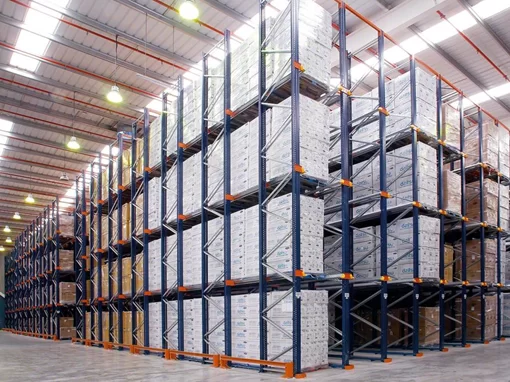
Drive-in pallet racks maximize warehouse storage density by allowing forklifts to drive directly into storage lanes — ideal for high-volume inventory with limited floor space. Perfect for LIFO operations in warehouse design and layout, cold storage, food distribution, and bulk warehousing across PA, NY, and nationwide.
- High-density storage with minimal aisle space
- Supports both FIFO and LIFO inventory rotation
- Reduces warehouse footprint by up to 60% vs. selective racks
- Ideal for cold storage, beverages, and durable bulk goods
- Durable steel construction for heavy-duty pallet racking loads
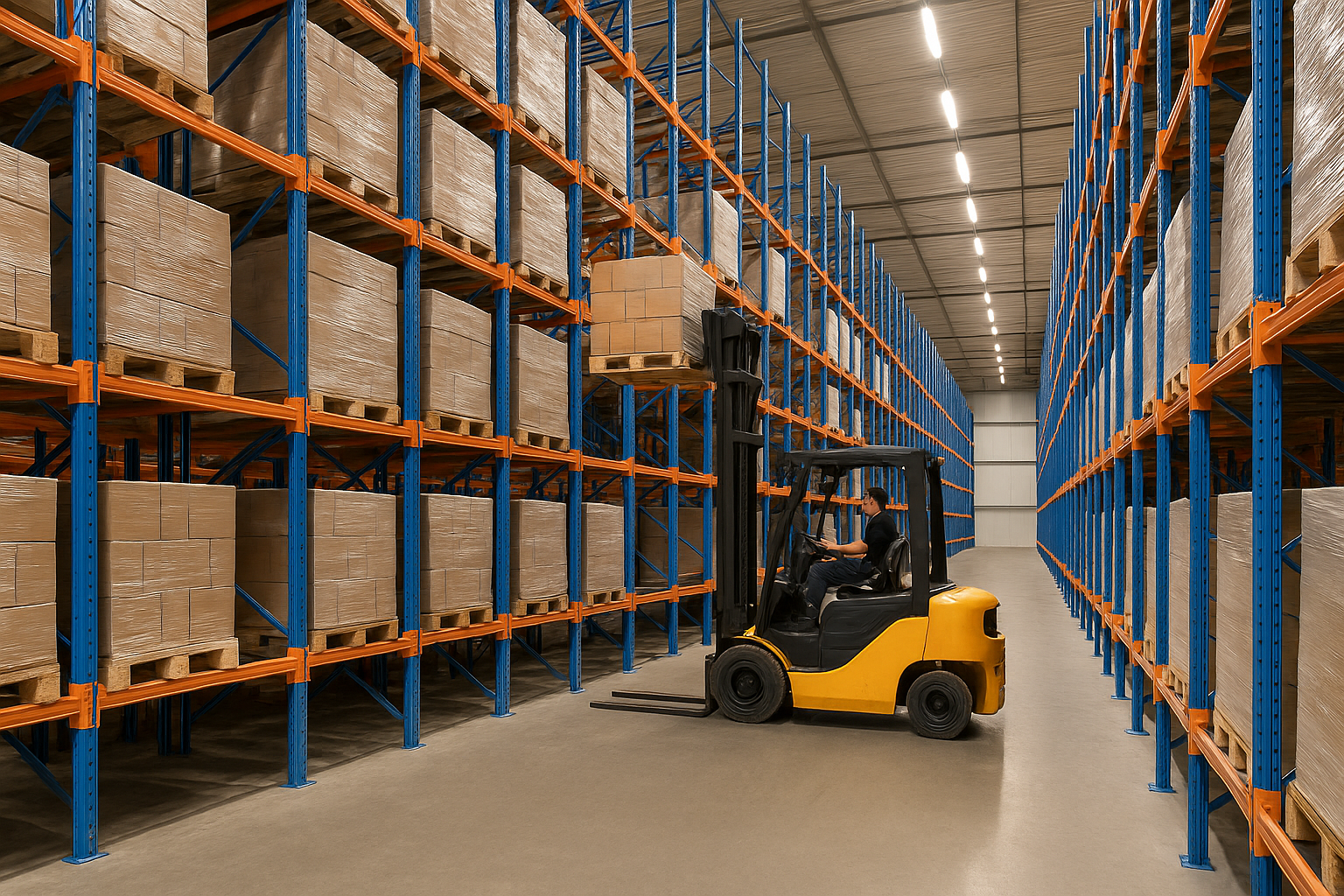
Detailed Benefits and Advantages of Drive-In Pallet Racks
Drive-in pallet racks offer an excellent high-density warehouse storage solution for operations looking to optimize available space. Their LIFO-based operation and compact design make them ideal for storing bulk goods with fewer SKUs and longer shelf lives — available new and as used drive-in racking at our Sinking Spring, PA facility.
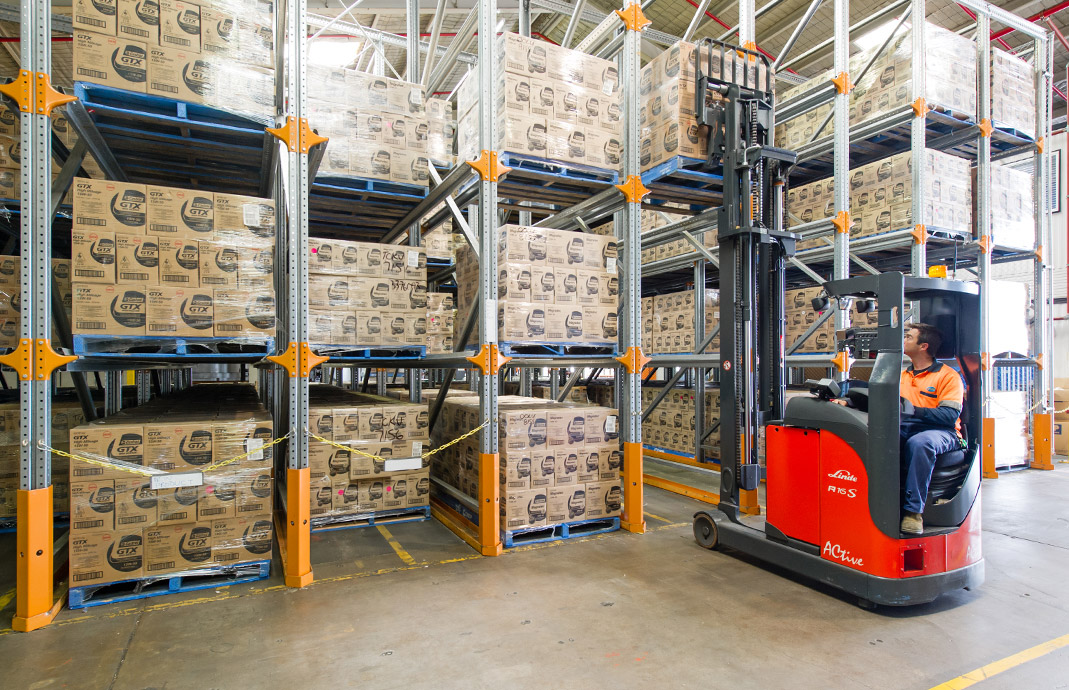
High-Density Storage
Drive-in racking maximizes warehouse space by reducing aisle requirements, allowing more product to be stored in the same area — up to 60% more than standard selective racking.
Space Optimization
The system reduces aisle space by 40–50%, allowing for significantly better use of warehouse square footage — especially valuable in high-cost or constrained facilities.
Cost-Effective
Drive-in racking is an economical choice for bulk warehouse storage, reducing the need for multiple racking aisles. Used drive-in systems reduce cost further.
Improved Efficiency
With fewer aisles and streamlined access, drive-in racks help reduce forklift handling time and improve operational flow across high-volume distribution and manufacturing operations.
Structural Simplicity
Fewer components and open bays make installation simpler, while still offering strong load capacity and long-term durability for demanding industrial racking environments.
Reduced Product Damage
With fewer forklift maneuvers and enclosed lanes, product damage from mishandling or shifting is significantly minimized — protecting both inventory and racking components.
💡 Pro Tip: To ensure smooth operation in drive-in racks, always train forklift operators on bay entry angles and lane depth limits. Routine inspection of rails and backstops ensures safety and minimizes damage risks.
Components and Design of Drive-In Pallet Racks
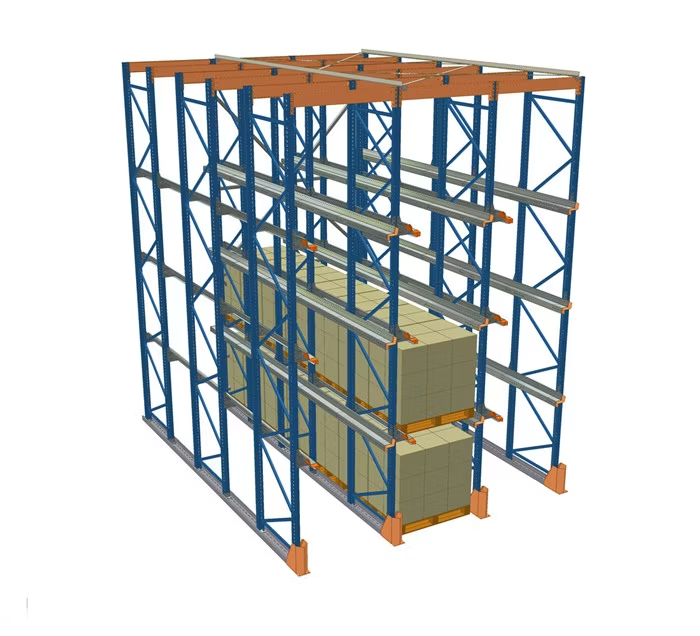
Drive-in pallet rack systems use vertical space efficiently, follow LIFO storage flow, and reduce aisle needs. Here's a breakdown of the key components that make them stable, efficient, and forklift-friendly in any warehouse racking configuration.

Upright Frames
The vertical steel columns that form the backbone of the drive-in rack system, bolted to the floor for solid load support across all storage lanes.
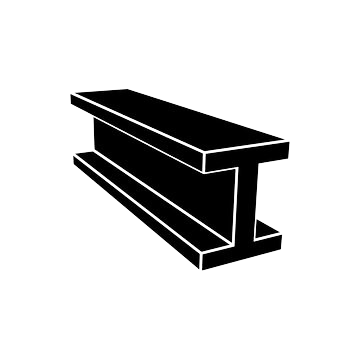
Horizontal Beams
Strong crossbars connecting upright frames to enhance stability and prevent lateral sway across the entire pallet racking structure.
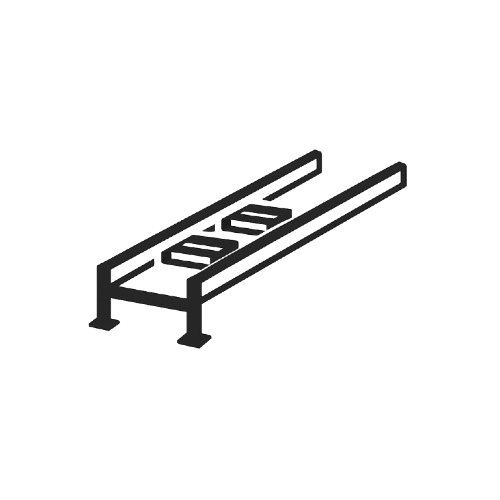
Pallet Rails
Heavy-duty tracks that run deep into the bays to directly support pallets and guide precise forklift placement within each storage lane.
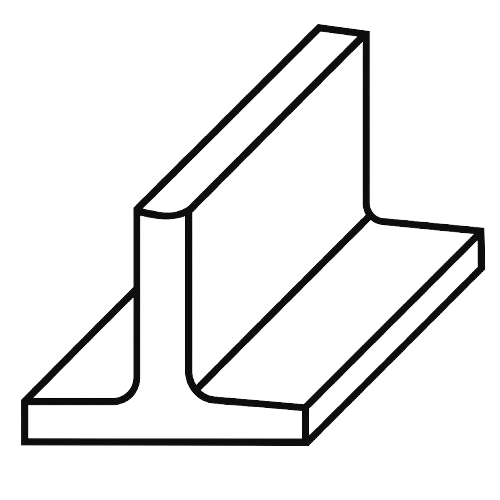
Entry Guides
Robust floor-mounted guides that align forklifts for accurate pallet entry — protecting warehouse racking uprights from forklift impact during loading.

Top Ties
Cross connections across the tops of frames, improving overall rigidity and structural resistance against leaning and lateral forces in high bays.
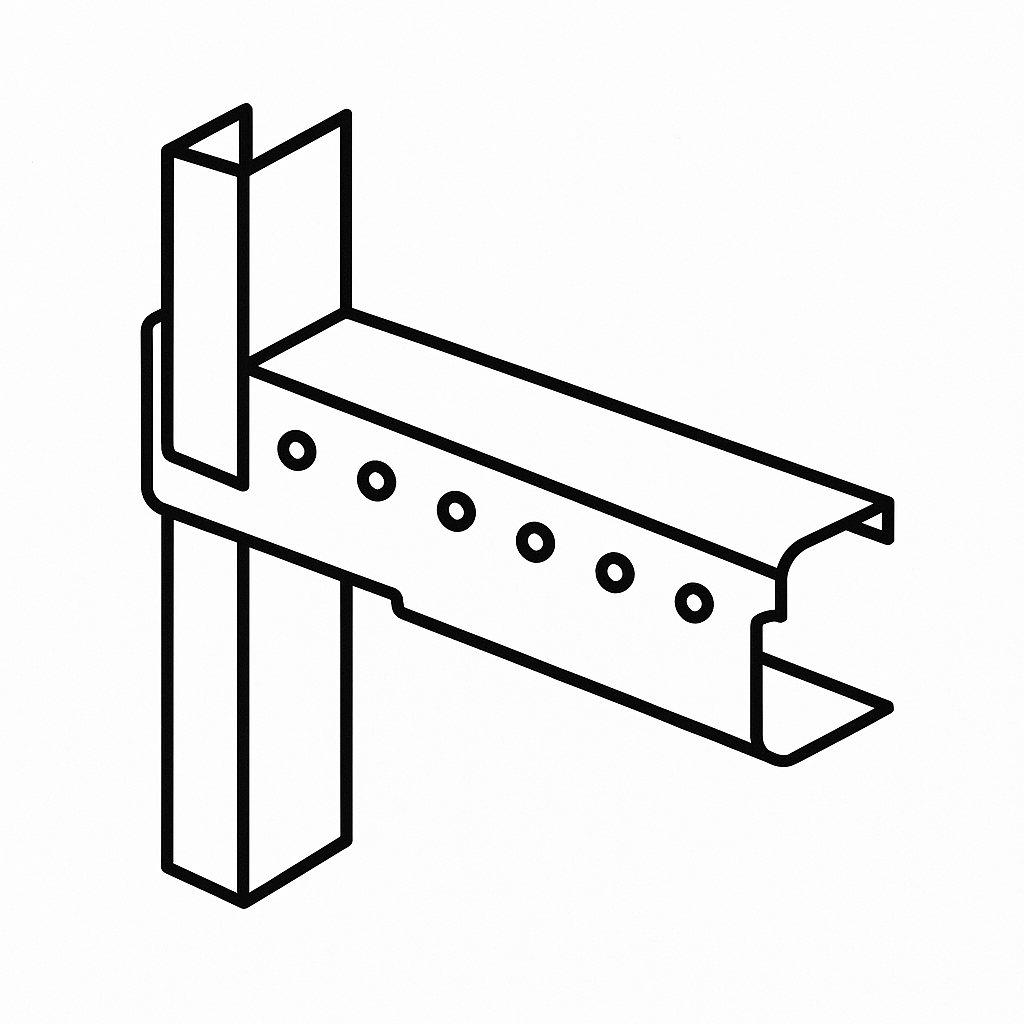
Back Stops
Stop bars at the rear of bays to prevent pallets from being pushed off the back end of the rack — a critical safety feature for all drive-in racking installations.
Applications and Industries for Drive-In Pallet Racks
Drive-in pallet rack systems are a versatile, high-density solution for low-SKU or high-volume warehouse storage. Below are typical applications and the industries that benefit most from this racking type.
Ideal for Specific Inventory Types
Drive-in racking excels at storing large runs of the same product (low SKU counts). With a Last-In, First-Out (LIFO) flow, the newest pallet is always at the pick-face. Perfect for:
- High-volume production runs of identical items
- Seasonal goods or products with predictable demand
- Buffer stock / reserve inventory
- Non-perishables or products with long shelf life
Common Industries Utilizing Drive-In Racking
Industries that leverage drive-in pallet racks include:
- Food & Beverage – bulk ingredients & packaged goods
- Cold Storage – maximizing space in freezer rooms
- Manufacturing – raw materials & WIP buffers
- Distribution Centers – staging high-volume SKUs
- Retail Back-Stock – dense storage for fast movers
- Agriculture – harvested produce & packaging supplies
Suitability for Perishable Goods (LIFO Considerations)
While drive-in racks are not ideal for very short-dated items, they can work effectively when:
- Products have sufficiently long shelf life
- Strict date tracking is enforced at the WMS level
- High-volume SKUs cycle quickly through inventory
Robust inventory control is essential to minimize waste in LIFO environments.
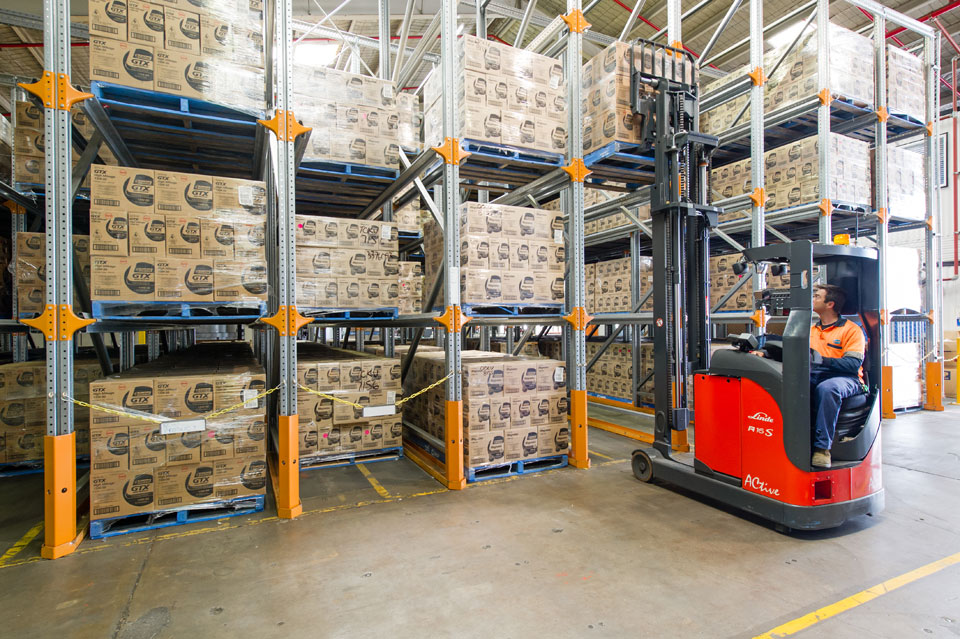
How Drive-In Pallet Rack Systems Work
Drive-in pallet rack systems operate on a unique principle that allows forklifts to drive directly into storage lanes to deposit or retrieve pallets. These systems are ideal for storing multiple pallets of the same SKU and are widely used where LIFO inventory control is suitable. Deep-lane configuration and minimal aisle requirements significantly increase warehouse storage density — making them a great solution for high-volume, low-SKU operations.
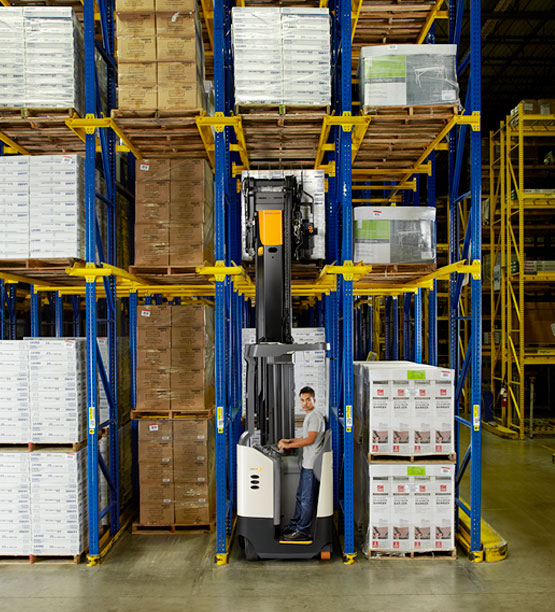
Forklift Loading into Lanes
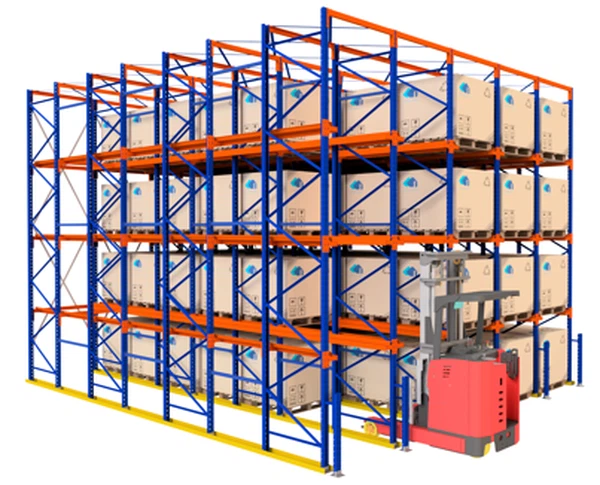
In a drive-in racking system, forklifts enter each storage lane and travel down the aisle between rails to place or retrieve pallets. The pallet rails act as guidance tracks to ensure precise loading and unloading, which reduces product damage. This method eliminates the need for multiple aisles and allows forklifts to stack pallets deep within the racking system, enhancing both space efficiency and storage density.
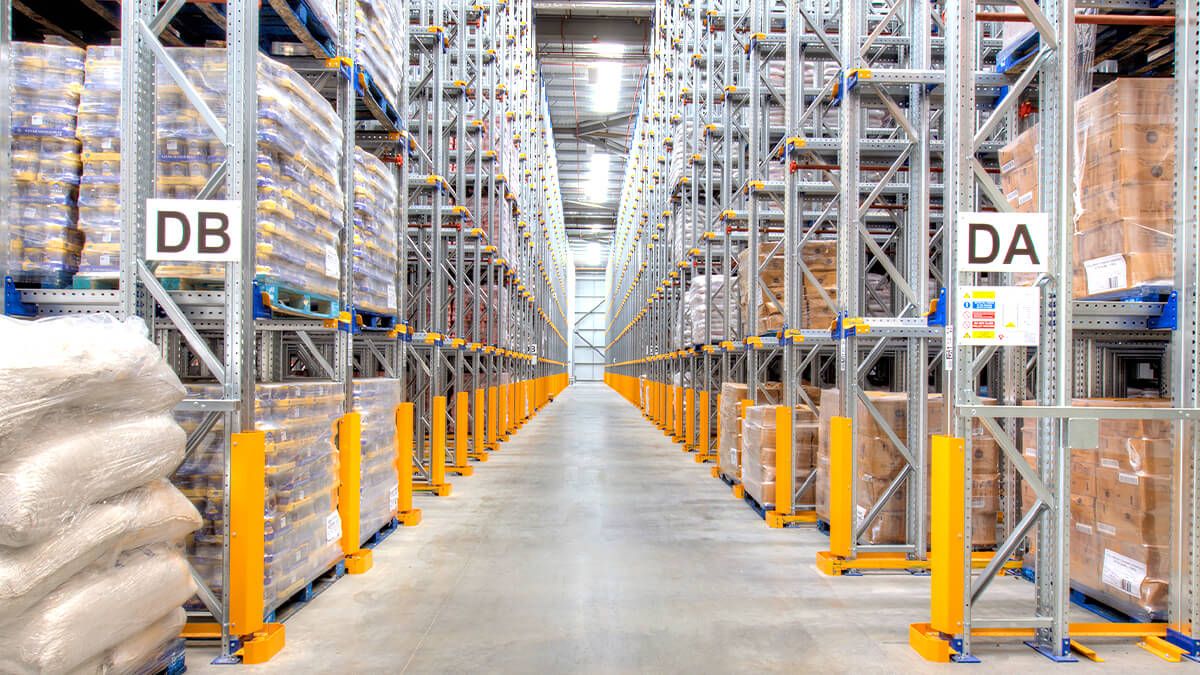
LIFO Inventory Flow
Drive-in racking follows the Last-In, First-Out (LIFO) method — the most recently stored pallet is the first to be retrieved. This makes it ideal for products that are not time-sensitive and simplifies the loading/unloading sequence within each lane. Ideal for bulk goods, seasonal inventory, and manufacturing buffers.
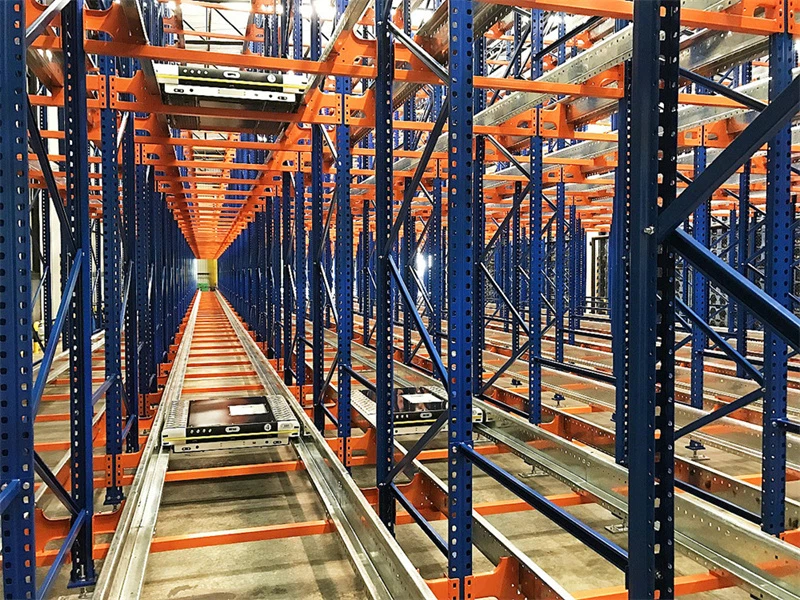
Deep-Lane Storage Explained
Deep-lane storage allows several pallets to be stored one behind the other in a single lane. This design minimizes the number of aisles needed and maximizes floor space — making it perfect for high-density warehouse pallet racking zones storing large volumes of the same SKU.
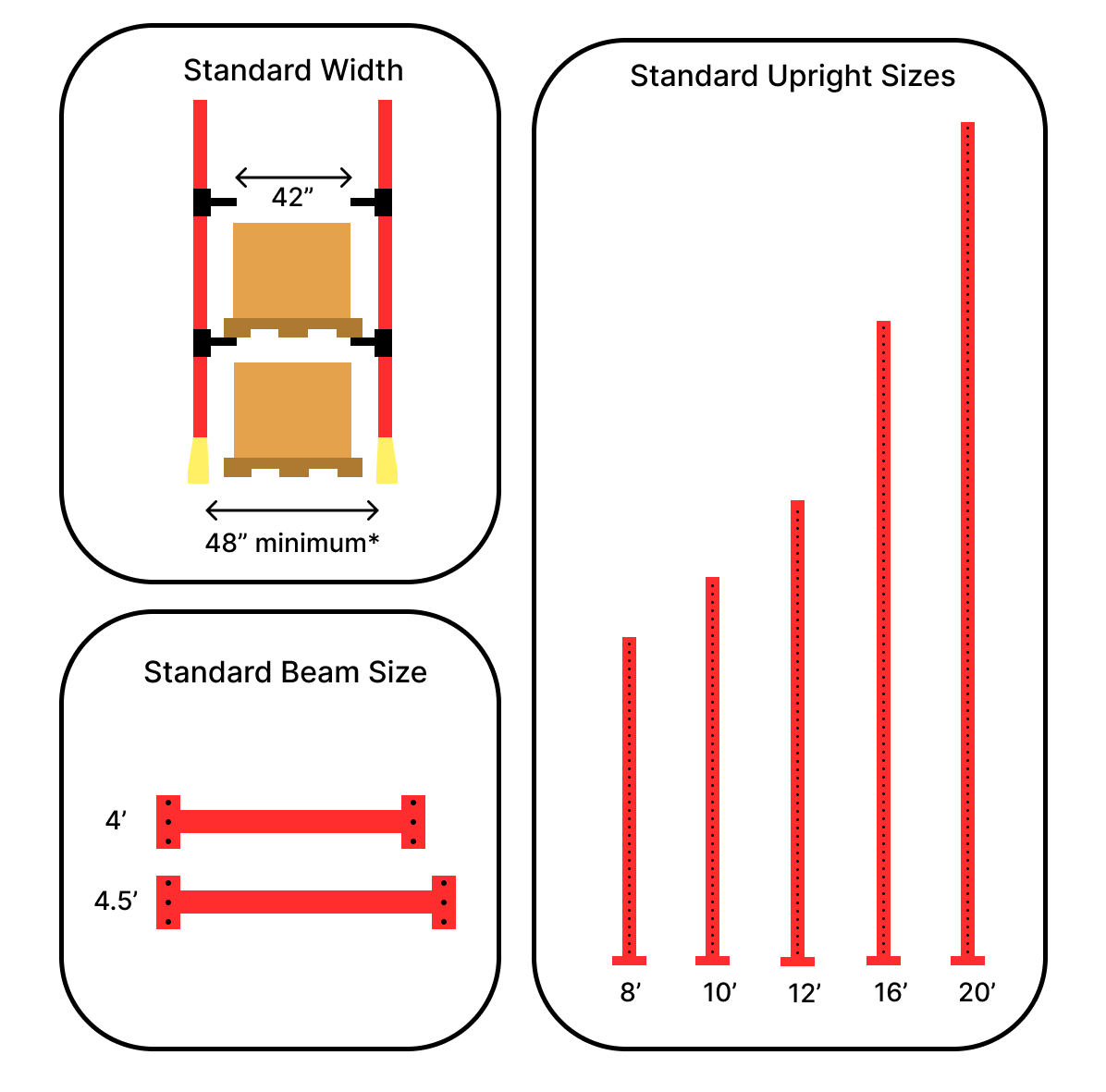
System Layout Visualization
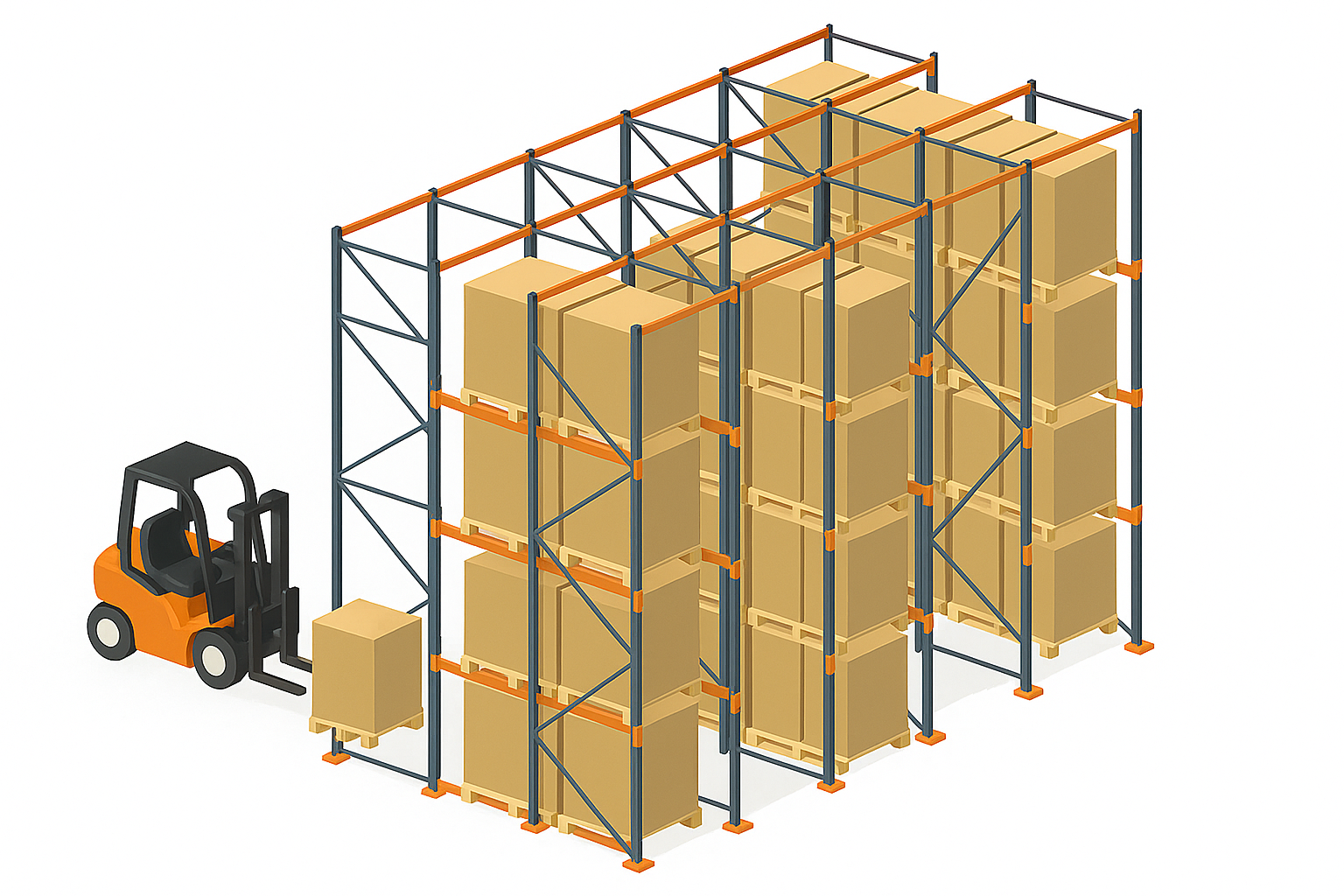
A well-designed drive-in rack layout incorporates clear entry and exit points, rail guidance, and optimal bay depth per product type. Visualization aids operators in safe and efficient movement inside racking lanes — reducing collision risk and improving throughput in high-density storage zones.
💡 Pro Tip: To ensure smooth operation in drive-in racks, always train forklift operators on bay entry angles and lane depth limits. Routine inspection of rails and backstops ensures safety and minimizes damage risks.
Design and Installation Considerations
Proper design and installation are critical for the safety and efficiency of a drive-in pallet rack system. This involves careful planning of the warehouse layout, structural elements, customization based on specific needs, and adherence to OSHA safety regulations.
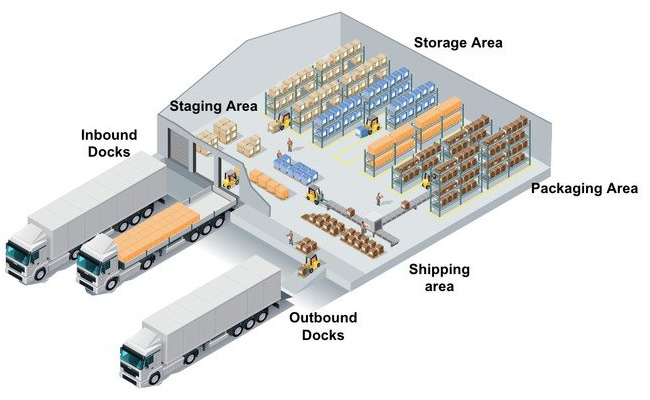
Layout Planning
Strategic layout planning is essential for drive-in racking. Consider entry and exit points for forklifts to ensure smooth traffic flow, determine appropriate bay depths based on the number of pallets per SKU, and optimize aisle widths to balance accessibility and storage density.
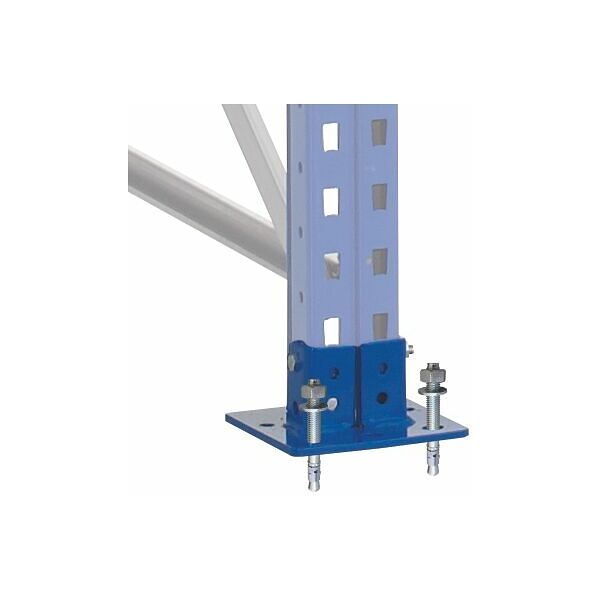
Anchoring, Spacing, and Clearances
Proper floor anchoring is crucial for the stability and safety of the pallet racking system. Maintain correct rack spacing to allow for safe forklift operation and prevent collisions. Ensure adequate clearances — both horizontally and vertically — for the specific forklifts being used in your facility.
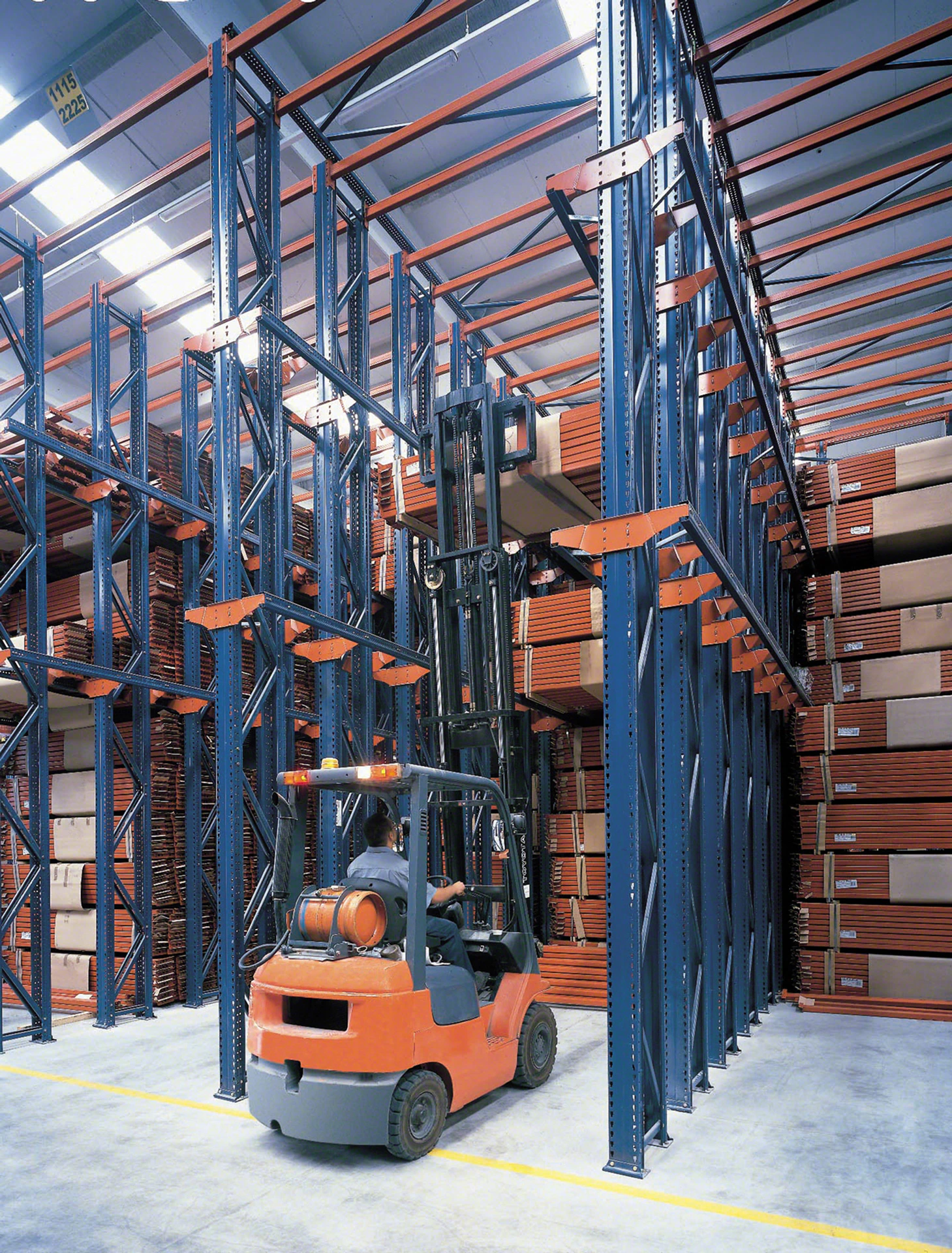
Customization for Specific Needs
Drive-in racks can be customized to accommodate various product types, sizes, and weights. Adjustments can be made to bay height, depth, and overall system dimensions to optimize storage based on your specific inventory and warehouse racking configuration. New and used options available.
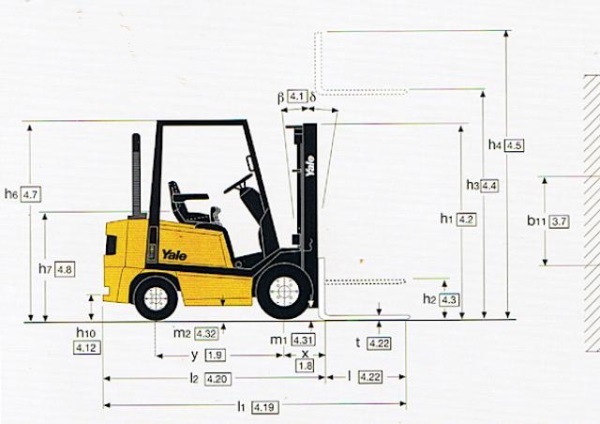
Coordination with Forklift Specs
The design must align with the specifications of the forklifts that will be used in the system. Consider the turning radius required for maneuvering within aisles, the maximum vertical reach needed for accessing top pallets, and the overall dimensions of the forklift to ensure safe and efficient operation.
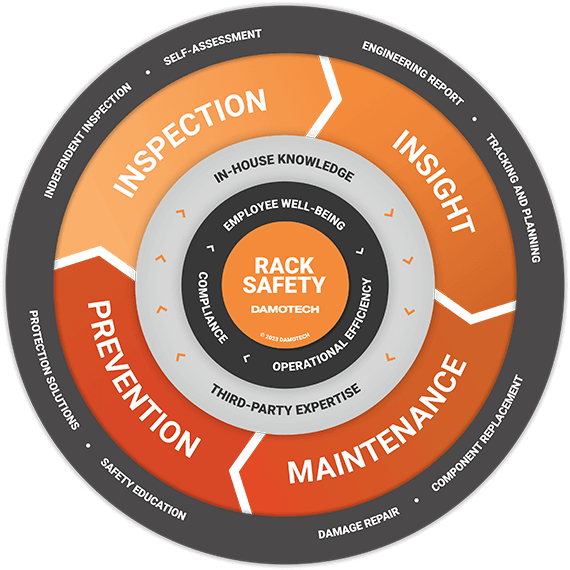
Safety and Compliance
All drive-in pallet racking designs and installations must comply with relevant regulations, including OSHA standards and ANSI MH16.1. Consider seismic zones and implement appropriate structural reinforcements if necessary. United Rack Solutions offers rack testing and inspection services for ongoing safety compliance.
Safety First: Operating Your Drive-In Racks Safely
Ensuring the safety of personnel and preventing damage to goods and equipment are paramount when operating drive-in racking systems. These guidelines outline crucial safety practices that all operators must follow for a secure and efficient warehouse environment.
Trained Operators Only
Ensure that only properly trained and certified forklift operators are permitted to operate within the drive-in rack system.

Adhere to Load Limits
Never exceed the specified load capacity for each pallet position and the overall rack structure to prevent structural failure.

Proper Pallet Placement
Ensure pallets are placed squarely and securely onto the support rails, avoiding pushing them too far back into the lane.

Maintain Clear Lanes
Keep drive-in lanes free from any obstructions — loose pallets, debris, or equipment — to ensure safe forklift movement at all times.

Controlled Forklift Entry and Exit
Forklift operators must enter and exit the lanes slowly and carefully, keeping the forklift aligned with the guide rails to avoid rack damage and injury.

Regular Inspection for Damage
Before each use, visually inspect the pallet racking system for any signs of damage and report any structural issues immediately to avoid safety risks.

Communicate and Follow Site-Specific Rules
Establish, communicate, and ensure adherence to all site-specific safety rules and procedures for the drive-in rack system.
💡 Pro Tip: To ensure smooth operation in drive-in racks, always train forklift operators on bay entry angles and lane depth limits. Routine inspection of rails and backstops ensures safety and minimizes damage risks. Our rack testing service provides certified inspection reports for OSHA compliance.
Drive-In Racks vs Drive-Through Racks: A Comprehensive Comparison
Drive-in and Drive-through racking systems are both popular warehouse storage solutions, each offering unique advantages for different operational needs. Below we compare these two systems to help you determine which is more suited to your business — focusing on space optimization, inventory management, and operational efficiency.
Drive-In Racks (LIFO)
Drive-in pallet racks are designed to store large quantities of the same SKU using the LIFO method. They are highly efficient for bulk storage where quick access to recent stock is not a priority. High-density storage is achieved by allowing forklifts to drive directly into the racking system, optimizing floor space significantly.
Drive-Through Racks (FIFO)
Drive-through racks utilize the FIFO method — making them ideal for perishable goods or inventory that requires frequent rotation. Forklifts can access pallets from both sides of the rack, allowing for easier loading and unloading, which increases operational flexibility for time-sensitive warehouse pallet racking operations.
Drive-In vs Drive-Through: Storage Efficiency
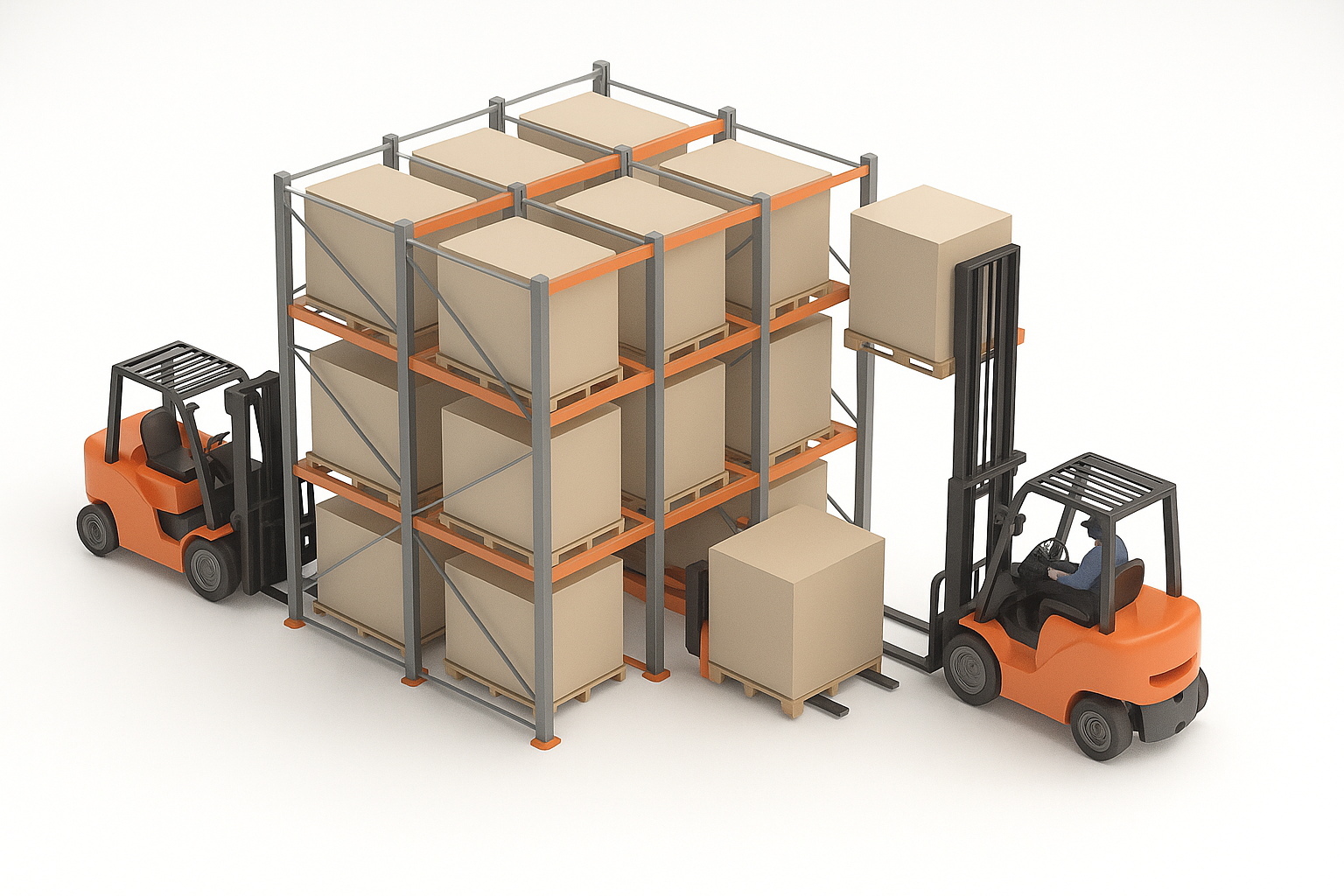
Drive-in racks are more space-efficient as they minimize aisle space and store pallets deeply within the system. However, they only allow access from one side. Drive-through racks offer access from both sides, making them more flexible but slightly less space-efficient due to the need for two entry points.
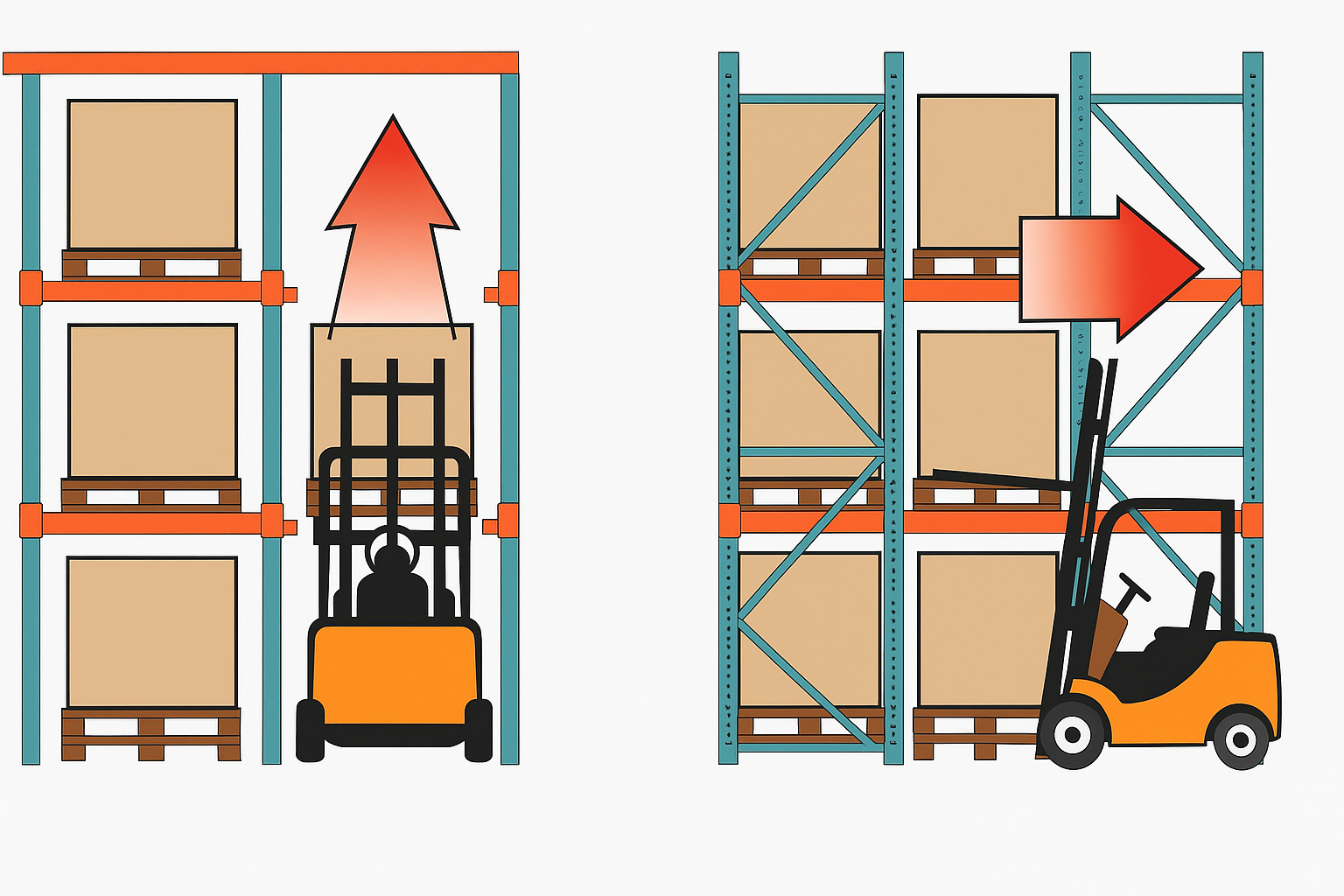
Inventory Flow: LIFO vs FIFO
Drive-in racks use LIFO — the most recently stored items are retrieved first. This is ideal for products that are not time-sensitive. Drive-through racks use FIFO, ensuring the oldest products are retrieved first — perfect for perishable goods, pharmaceuticals, or any SKU where date-code compliance is critical.
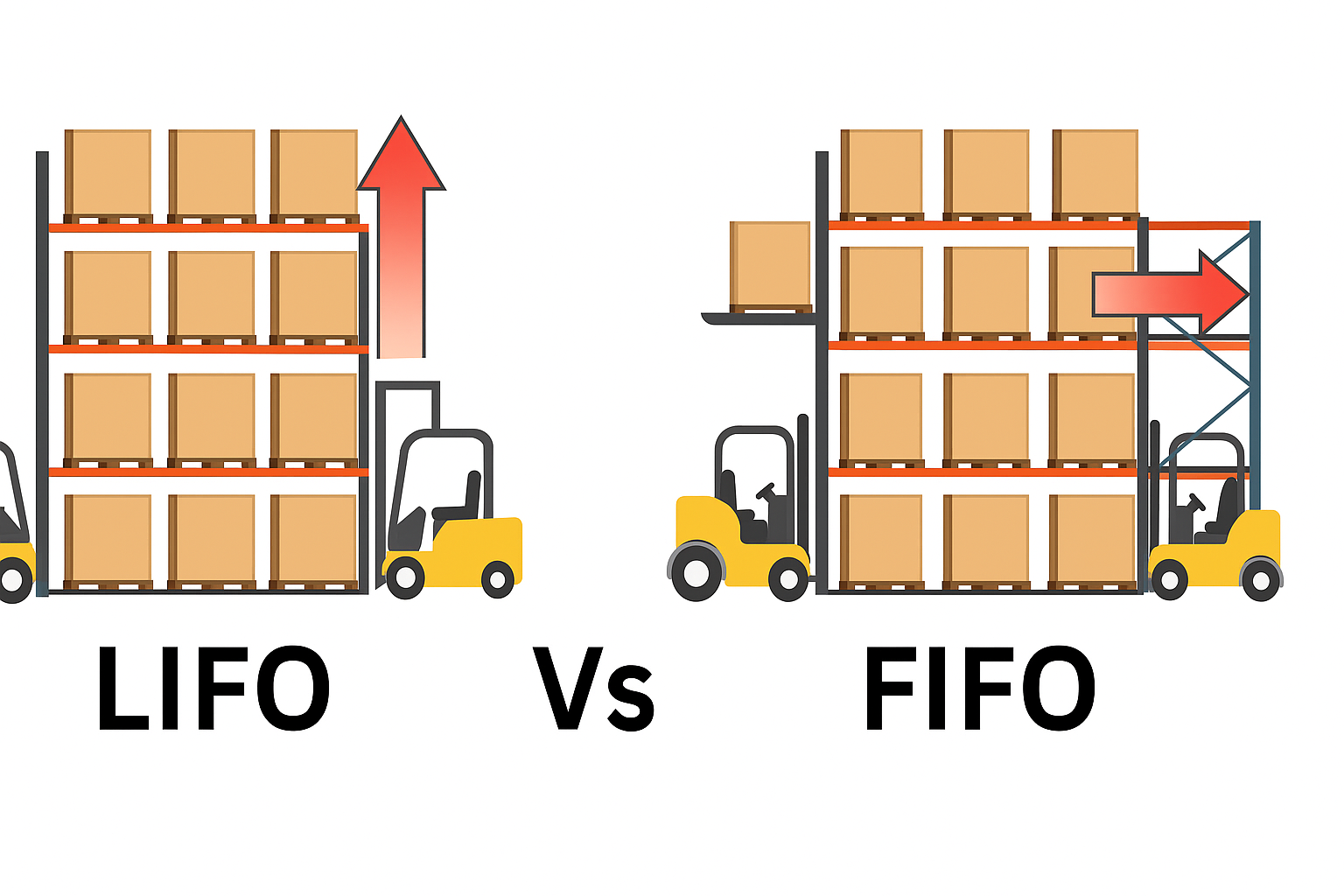
Space Optimization: Drive-In vs Drive-Through
Drive-in pallet racks are better for maximizing space in warehouses with fewer SKUs, storing products in deep lanes with minimal aisles. Drive-through racks provide more accessibility but require more space due to dual entry/exit points, which can slightly reduce overall warehouse storage density.
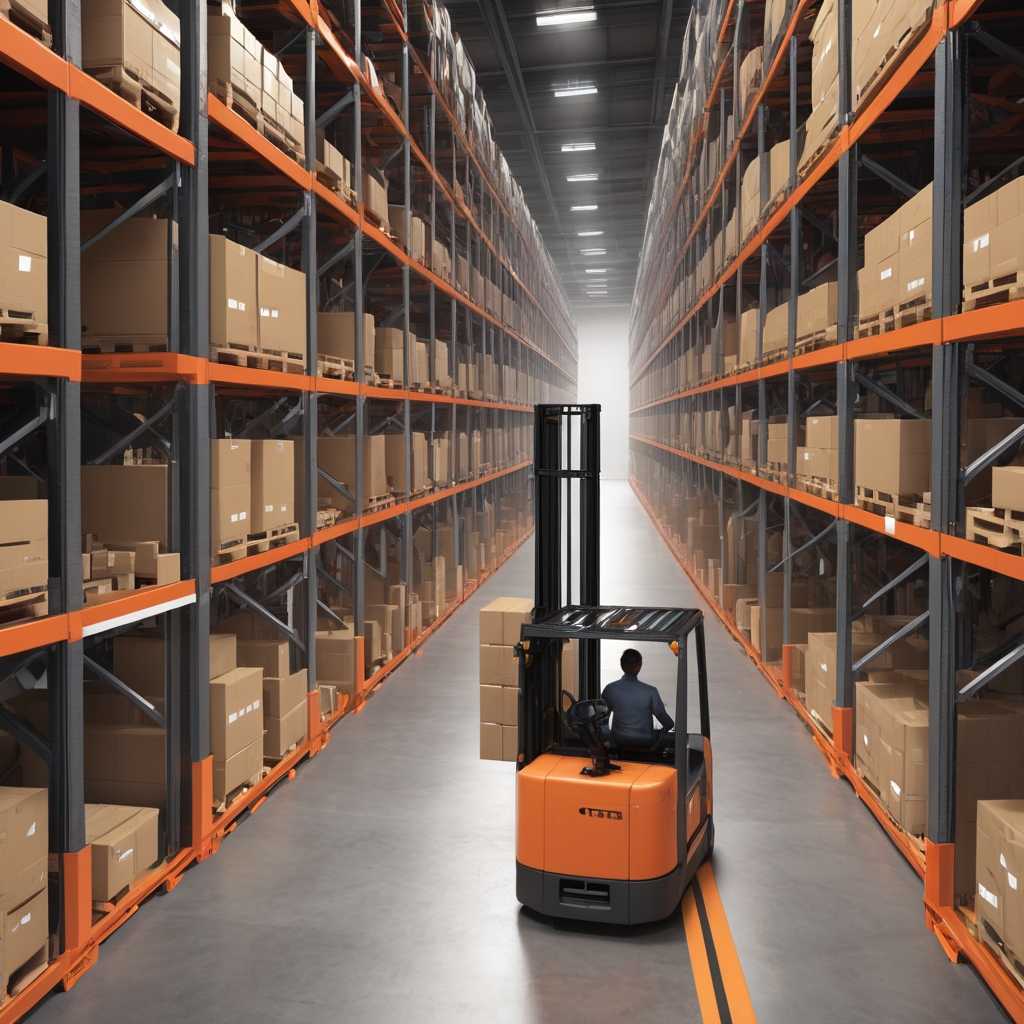
Ideal Use Cases for Drive-In and Drive-Through Racks
Drive-in racks are best for warehouses that need to store large quantities of the same SKU — seasonal products, bulk inventory, cold storage. Drive-through racks are better for industries requiring stock rotation, like food & beverage or pharmaceuticals, where FIFO and date-code traceability are critical.
| Feature | Drive-In Racks | Drive-Through Racks |
|---|---|---|
| Storage Method | Last-In, First-Out (LIFO) | First-In, First-Out (FIFO) |
| Access Points | Access from one side only | Access from both sides |
| Ideal for | Large quantities of the same SKU | Perishable goods, fast inventory rotation |
| Space Efficiency | High density, fewer aisles needed | Less space-efficient, requires more aisles |
| Best for | Bulk storage, non-time-sensitive goods | Time-sensitive goods like food, pharmaceuticals |
| Inventory Flow | LIFO — most recent items retrieved first | FIFO — oldest items retrieved first |
💡 Pro Tip: When considering drive-in or drive-through racks, take into account your inventory management system. If you work with perishable goods, drive-through may be a better option. However, for long shelf-life goods, drive-in racking can save more space and be significantly more cost-effective — especially when using used drive-in pallet racking from our Sinking Spring, PA inventory.